FAULT LINE
Build the company. Break it. Learn why.
The only risk workshop where you can point at the part that failed.
Risk registers describe items. They do not show how the items break each other.
Risk registers describe individual items. They do not show how the items break each other. A vulnerability in a supplier system, a single point of failure in an authentication dependency, a response procedure that assumes staff availability, each looks manageable in isolation. Together, they become an incident.
Risk architecture decisions are almost always made without a shared model of the system. Different people hold different mental maps. Assumptions go untested. The consequences of one control choice on another remain invisible until something breaks in production.
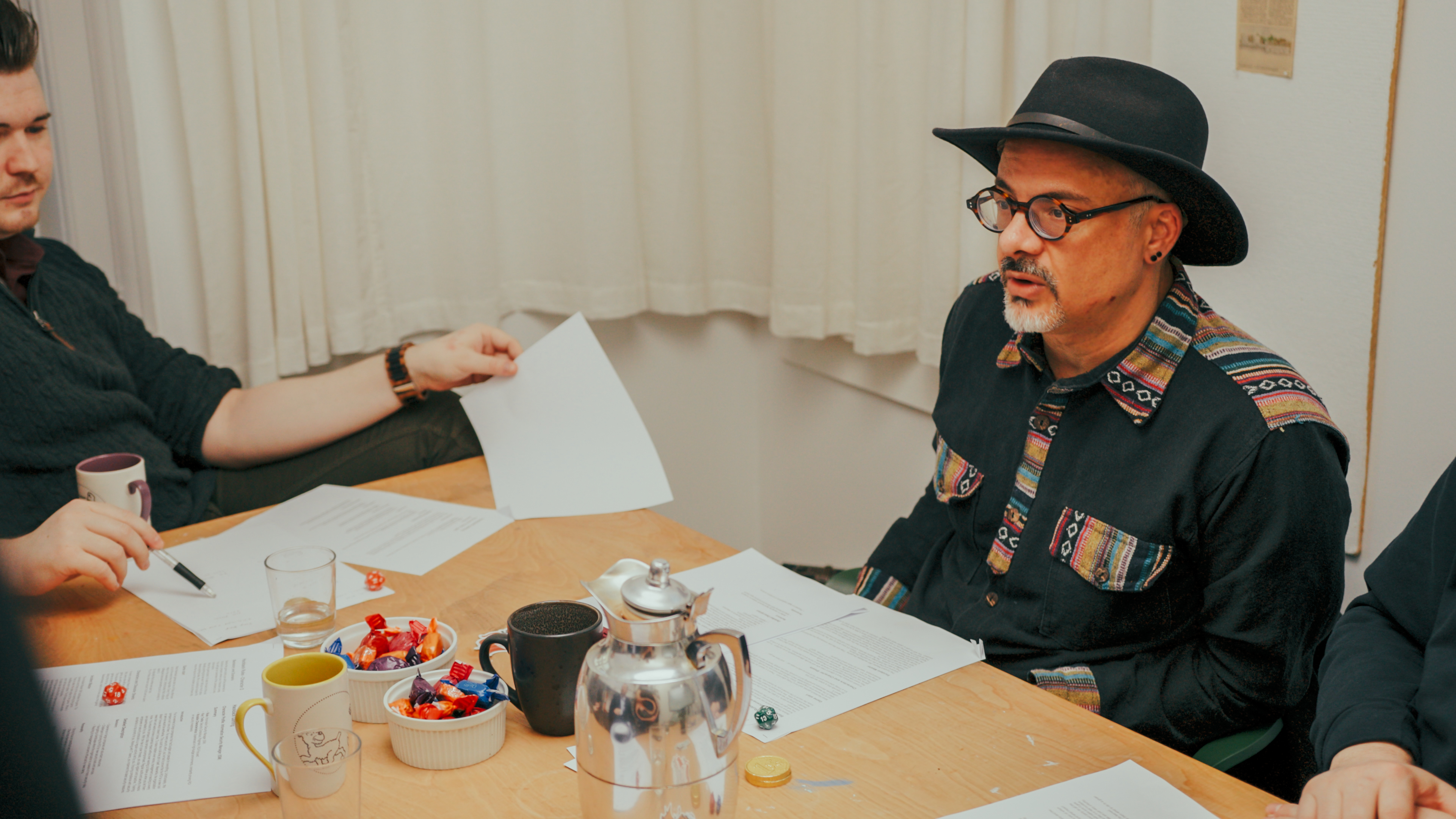
FAULT LINE makes the architecture physical. Your team builds it together, stresses it together, and sees the failure cascade together. The insight that takes months to surface in a risk register review surfaces during the build, inside the first hour at the table.
The risk you have not modeled is the risk that bites you.
THE WORKSHOP
What FAULT LINE actually is
FAULT LINE is a risk architecture workshop that uses LEGO as the physical medium. Your team builds a model of your organization’s technical and operational structure: systems, dependencies, third parties, response procedures, then introduces realistic failure events and watches the model break.
The LEGO model is not decorative. It is a shared representation of your architecture that everyone in the room can see, point at, and argue about. When a failure event is introduced, the physical model makes the cascade immediately visible in a way that a diagram or slide deck cannot.
Sessions run two to three hours, depending on the complexity of the architecture being modeled. Participants are typically risk managers, technical leads, and security architects, the people who make or influence control decisions. The workshop surfaces the assumptions and gaps that exist between them.
| Players | Risk managers, technical leads and security architects |
|---|---|
| Duration | Two to three hours across three acts |
| Format | Facilitated workshop built on a physical LEGO model of your architecture |
| Regulation | NIS2 Article 21, ISO 27005 |
THREE ACTS
How FAULT LINE is structured
- Build, 40-50 minYour team builds the architecture in LEGO: systems, dependencies, third parties, controls. Disagreements about the model are the first useful output.
- Stress, 60-90 minFailure events are introduced one by one. The physical model makes invisible risks visible.
- Debrief, 30-45 minThe team leaves with a prioritized list of architecture decisions to revisit.
LEARNING OUTCOMES
What your team walks away with
Shared physical model
A shared, physical model of your organization’s risk architecture
Cascade visibility
Single points of failure
Resolved assumptions
Prioritized decisions
Shared mental model
Who this is for
FAULT LINE works for risk managers, security architects, and technical leads who need to build a shared understanding of their organization’s risk architecture, and find the gaps between their individual mental models. It is particularly valuable when different functions (IT, security, risk, operations) hold separate views of the same system and need to align before making significant control decisions. Groups of five to fifteen work well. The session does not require prior knowledge of LEGO or risk frameworks. It requires participants who are willing to be wrong in the room and learn from it.
RISK MAPPING
How FAULT LINE maps to risk management
| Requirement | What it asks | How FAULT LINE addresses it |
|---|---|---|
| NIS2 Article 21, risk-management measures | Entities take appropriate and proportionate technical and organizational risk measures | Makes the architecture and its risks physical so the team can see and argue the trade-offs |
| ISO 27005, risk assessment | Risk is identified, analyzed, and treated systematically | Works through where the architecture fails and why, as a hands-on workshop |
| General risk governance | Risk decisions are owned and understood, not just documented | Puts the risk decisions in the room with the people who own them |
FAQ
Frequently asked questions
What is FAULT LINE?
How does it help with NIS2 risk-management requirements?
Who should take part?
Is it technical or strategic?
How long does it take?
Do we need to prepare our architecture first?
What does your risk architecture actually look like when it is under stress?
FAULT LINE runs on-site. All materials provided. Groups of five to fifteen.
Explore the full serious games lineup.